Maintenance services
Planned and reactive maintenance that keeps your buildings working
We can provide your organisation with a fully planned and reactive maintenance programme. Over many years, we have established a highly qualified and experienced maintenance team that can meet the full spectrum of your service and maintenance needs.
Buildings that are well maintained are safer, cheaper to run and less likely to let you down at the worst possible moment. Our maintenance programmes combine scheduled inspections and servicing with responsive support when something goes wrong — all delivered by in-house electrical and mechanical engineers who get to know your site.
From airport kitchens trading around the clock to retirement villages where comfort and safety are paramount, we tailor every programme to the building, its users and your compliance obligations.
Discuss a maintenance programme
What we maintain
Electrical and mechanical maintenance in every sector
Buildings & assets in every sector
Maintenance of buildings and assets across commercial, public-sector, airport and retirement-living estates, including building fabric repairs.
Electrical & mechanical
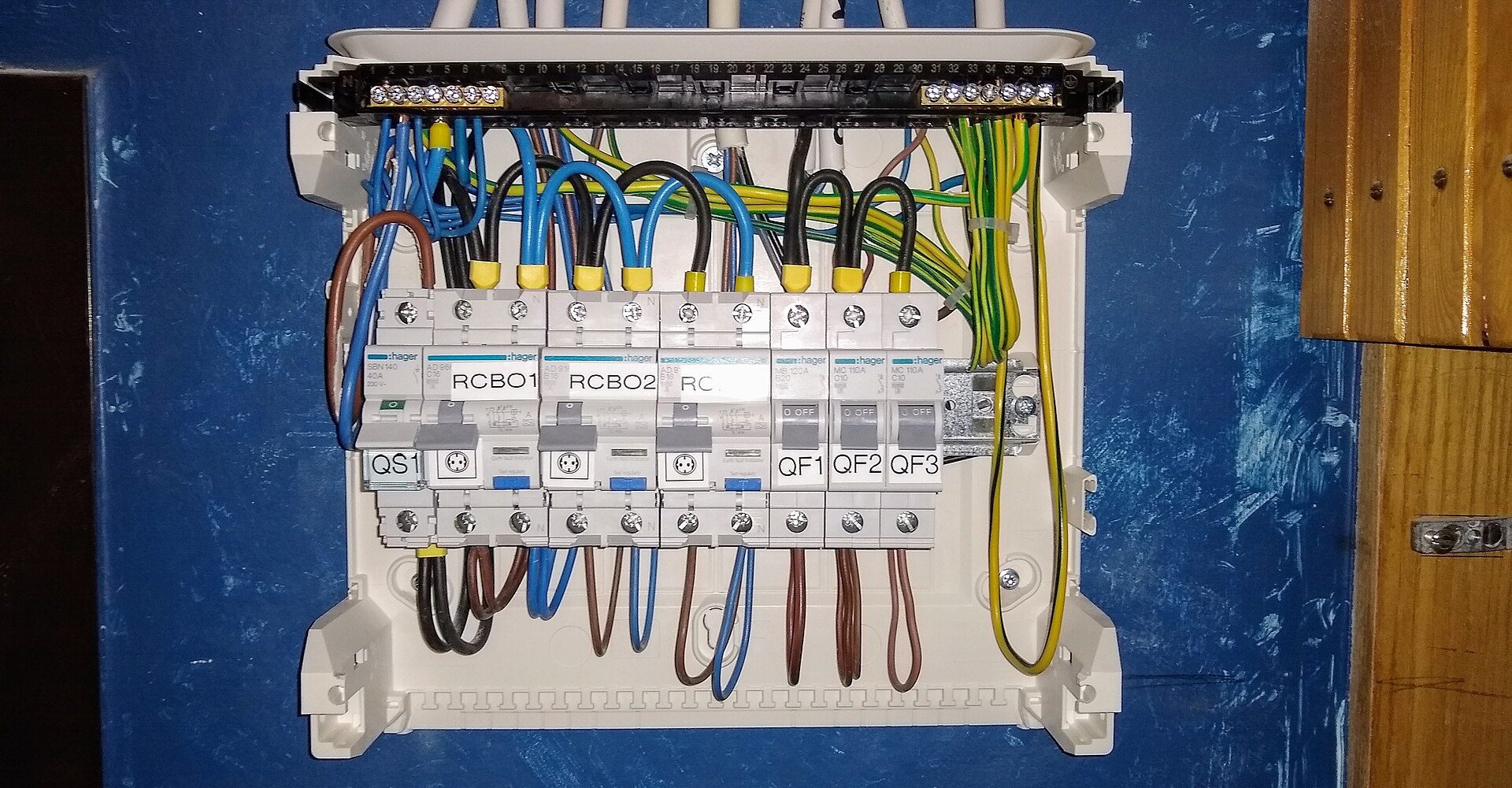
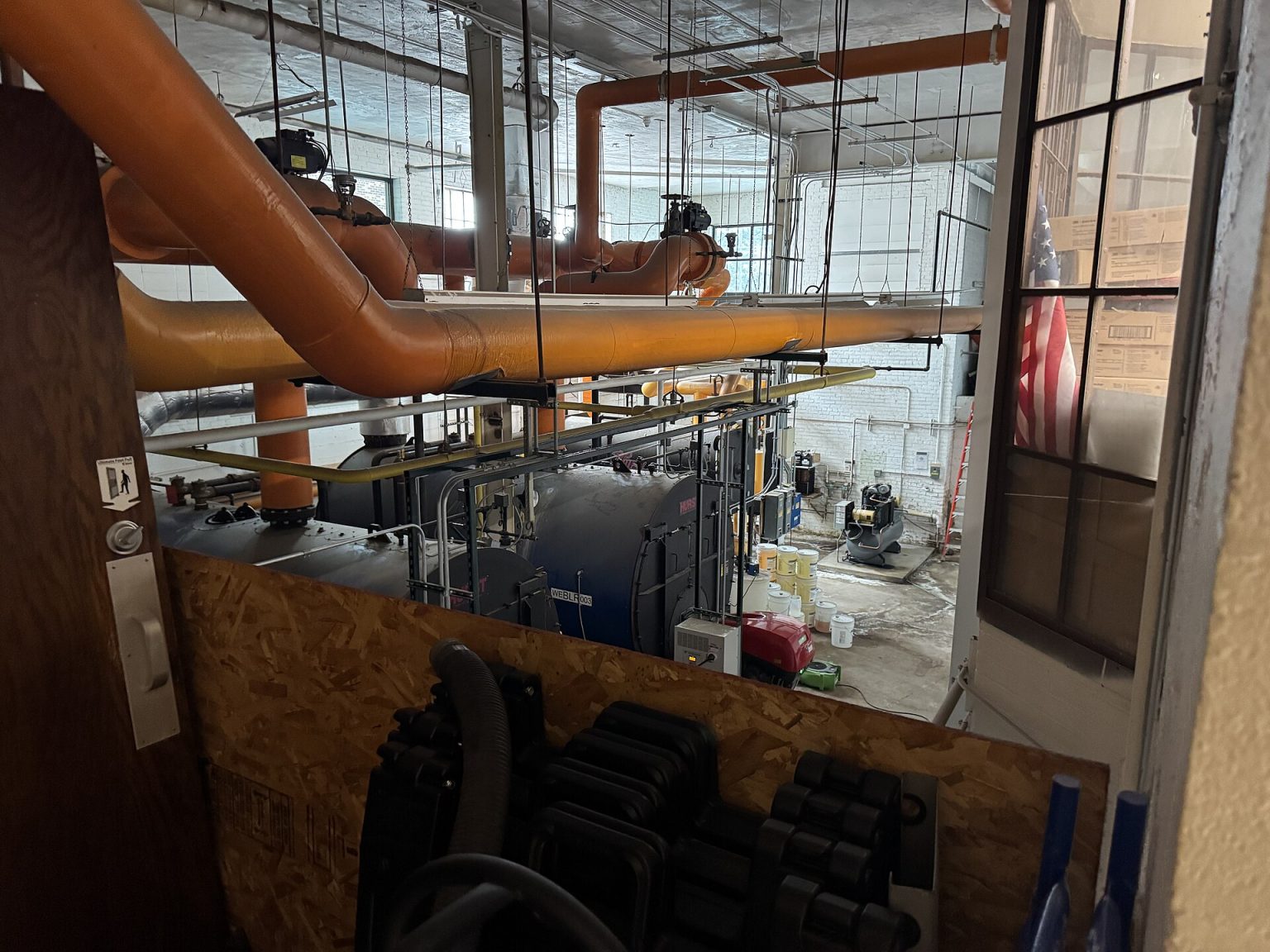
Distribution, lighting, small power, ventilation, pumps and plant — serviced, repaired and kept in good working order.
Electrical inspection & testing
Periodic inspection and testing to BS 7671 built into your maintenance schedule, so certification never lapses.
Electrical maintenance, planned & reactive
Scheduled servicing of boards, lighting and equipment, plus fault-finding and repairs when you need them.
Emergency lighting & life safety
Testing, maintenance and repair of emergency lighting and other life-safety systems, with full log book records.
CCTV, door entry & security
Maintenance and repair of CCTV, door entry, access control and security systems to keep people and property protected.
PPM vs reactive
Planned preventive maintenance compared with reactive repairs
Every building needs some reactive support, but relying on it alone usually costs more in the long run. A good programme balances the two.
| Planned preventive maintenance (PPM) | Reactive maintenance | |
|---|---|---|
| When it happens | At scheduled intervals, set by standards, manufacturer guidance and risk | After a fault, failure or report from site |
| Purpose | Prevent failures, maintain compliance and extend asset life | Restore service and make safe as quickly as possible |
| Cost profile | Predictable, budgeted in advance | Unpredictable, often higher per job |
| Disruption | Planned around your operation, often out of hours | Unplanned downtime while the fault is fixed |
| Compliance evidence | Generates a continuous record of servicing and testing | Records the repair, but not the ongoing condition |
| Best for | Life-safety systems, critical plant, statutory testing | Genuine breakdowns, accidental damage, low-value items |
Want to understand the balance in more depth? Read our guide to PPM versus reactive maintenance, and how schedules based on SFG20 maintenance standards can help you specify the right tasks.
Typical schedule
Typical tasks in an electrical and life-safety maintenance schedule
Every programme is tailored to the building, but most include a core set of recurring tasks. The frequencies below reflect common British Standard recommendations and industry practice; your risk assessments, insurers and manufacturer guidance may require more frequent checks.
| System | Typical task | Typical frequency |
|---|---|---|
| Emergency lighting | Functional (flick) test of luminaires and signs | Monthly (BS 5266-1) |
| Emergency lighting | Full rated-duration discharge test | Annually (BS 5266-1) |
| Fire detection & alarm | User test from a different call point | Weekly (BS 5839-1) |
| Fire detection & alarm | Inspection and servicing by a competent person | At intervals not exceeding six months (BS 5839-1) |
| Fixed electrical installation | Periodic inspection and testing (EICR) | As recommended on the last EICR, within IET Guidance Note 3 maximums |
| Portable equipment | In-service inspection and testing | Risk-based, per the IET Code of Practice |
| Distribution boards & switchgear | Visual checks, thermal imaging, tightness of connections | Typically annually, or more often for critical supplies |
| CCTV, door entry & access control | Functional checks, cleaning and firmware updates | Per manufacturer guidance, commonly six- to twelve-monthly |
Planned maintenance
How we build your planned maintenance programme
A planned programme only works if it reflects the assets you actually have. We start by understanding your building and your obligations, then agree a schedule that is proportionate to risk and budget.
- Asset survey and review of existing records, drawings and certificates
- Schedule of tasks and frequencies based on standards, manufacturer guidance and industry practice such as SFG20
- Statutory and recommended testing — EICRs, emergency lighting and fire alarm checks — built into the calendar
- Visits planned around trading hours, residents and site access rules
- Service reports after each visit, highlighting defects and recommended actions
- Regular reviews so the programme evolves with your building
Reactive support
Helpdesk and reactive call-outs
When something fails, you need to know who to call and what will happen next. Our reactive service is designed to be simple and transparent.
Report the fault
Call 020 8859 7512 or email [email protected] with the site, location and a description of the problem. Photos help us send the right engineer with the right parts.
Triage and prioritise
We log the call and agree its priority with you. Faults affecting safety, security or the ability to trade are treated as the highest priority.
Attend and make safe
A qualified engineer attends within the response time agreed in your contract, makes the situation safe and diagnoses the cause.
Repair or quote
Where possible we fix first time. If parts or further work are needed, you receive a clear quotation before we proceed.
Report and learn
Every job is recorded. Recurring faults are flagged so they can be addressed through planned work instead of repeated call-outs.
Response times: Attendance and repair targets are agreed per contract, reflecting the type of premises, its operating hours and the criticality of each system. We will discuss realistic, achievable commitments during your free site visit.
Life safety & security
Emergency lighting, CCTV and door entry maintenance
Life-safety and security systems are only valuable if they work when needed. Emergency escape lighting should be tested monthly and given a full-duration test annually under BS 5266-1, and fire detection and alarm systems need regular servicing under BS 5839-1. We maintain these systems, keep the records and repair faults promptly.
We also look after CCTV, door entry and access control — systems that matter to residents in retirement villages, to staff in offices and to operators of retail units. Regular servicing keeps cameras clean and recording, entry panels responsive and locks releasing correctly.
Further reading: emergency lighting testing and fire alarm maintenance to BS 5839-1.
Key clients
Maintenance for retirement villages and major airports
Inspired Villages Group (IVG)
Maintenance support for retirement villages operated by Inspired Villages Group, where residents’ homes, communal facilities and life-safety systems must be cared for with sensitivity and minimal disruption.
Airport kitchens, restaurants & retail
Maintenance of commercial kitchens, restaurants and retail outlets in major airports from Southampton to East Midlands, London Heathrow, London Gatwick, Stansted and Luton.
Why JKS London
Why clients trust us with their maintenance
Familiar faces
A stable in-house team — staff retention stood at 99% in early 2020 — means engineers who know your site.
Accredited
NICEIC approved, with CHAS and SafeContractor health and safety accreditation.
Clear records
Service reports and certificates that stand up to audits, insurers and inspections.
Efficiency-minded
We flag opportunities such as LED lighting upgrades that can cut energy use and maintenance.
Tip: If your current maintenance is mostly reactive, start with a condition survey of critical and life-safety assets. It gives you a baseline and helps prioritise spend. Combine it with a thermal imaging survey to spot hidden electrical hotspots.
FAQ
Frequently asked questions
What is the difference between planned and reactive maintenance?
Planned preventive maintenance (PPM) is scheduled work carried out at set intervals to keep assets in good condition and compliant. Reactive maintenance is work carried out in response to a fault or breakdown. Most buildings need a balance of both.
How quickly will you respond to a reactive call-out?
Response and attendance times are agreed with each client as part of the maintenance contract, based on the priority of the fault and the needs of the site. Emergencies that affect safety are always prioritised.
Do you maintain mechanical as well as electrical systems?
Yes. Our in-house team covers electrical and mechanical services as well as building fabric, life-safety systems, CCTV, door entry and security systems.
Can you take over maintenance from another contractor?
Yes. We start by reviewing existing asset information, certificates and maintenance records, then carry out a condition survey to identify gaps before agreeing a planned schedule.
Do you work in airports and other secure environments?
Yes. We maintain commercial kitchens, restaurants and retail outlets in major airports and work within airport security, permit and vetting requirements.
Arrange a free, no-obligation site visit
Tell us about your building and compliance needs — our team will get back to you within one working day.