Airport compliance
Keeping airport kitchens, restaurants and shops safe, compliant and trading
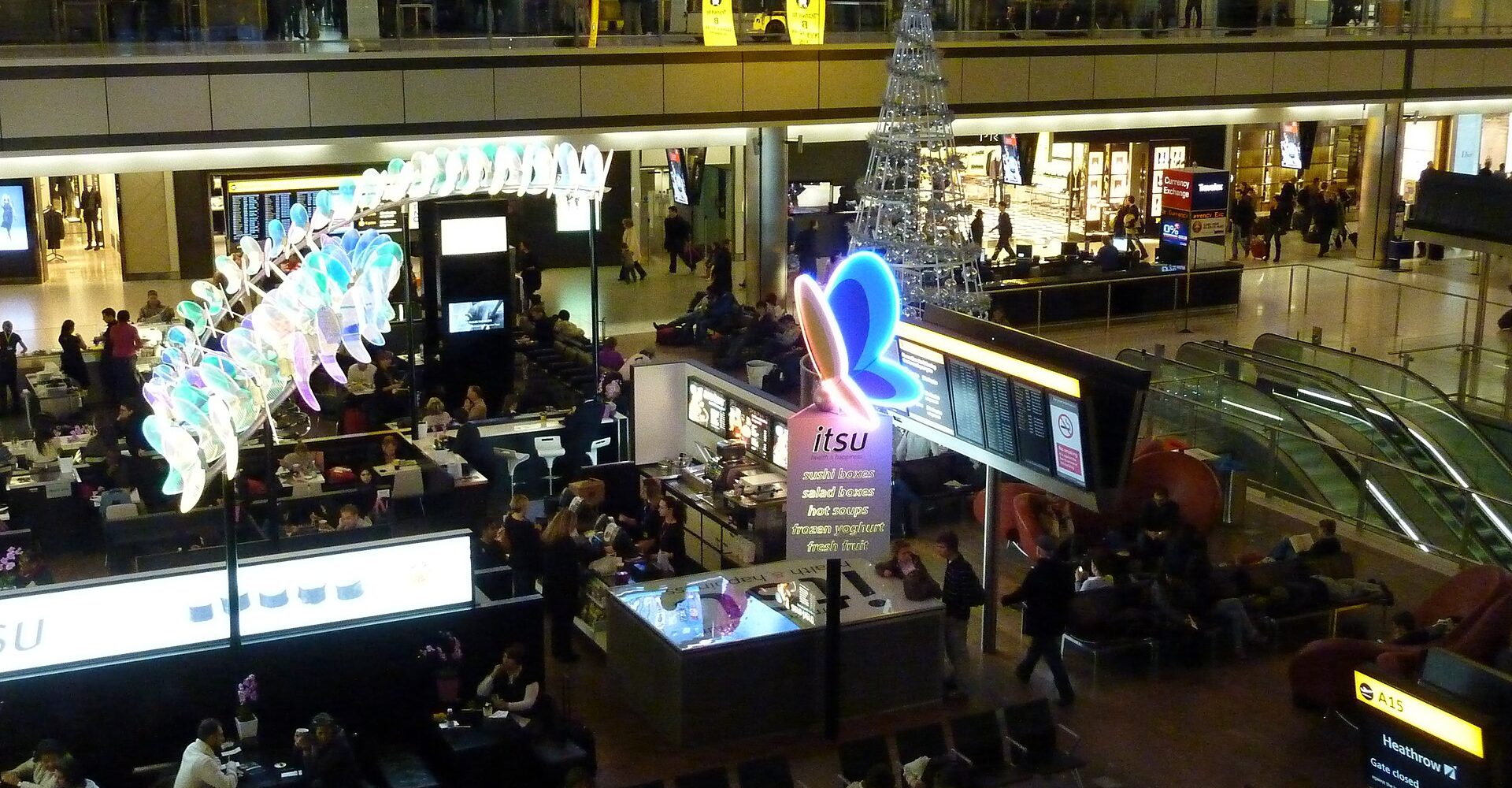
JKS London maintains commercial kitchens, restaurants and retail outlets at major airports from Southampton to East Midlands, including London Heathrow, London Gatwick, Stansted and Luton.
Airport concessions operate in one of the most tightly controlled environments in the country. Units trade for long hours, often from the first departures to the last arrivals. Every visit has to fit around security screening, airport operator procedures and the needs of a busy terminal.
We understand that environment. Our engineers deliver electrical compliance, life-safety testing and maintenance in a way that keeps your outlets open, keeps the airport operator satisfied and keeps your records audit-ready.
Airside and landside
Working within the airport’s rules
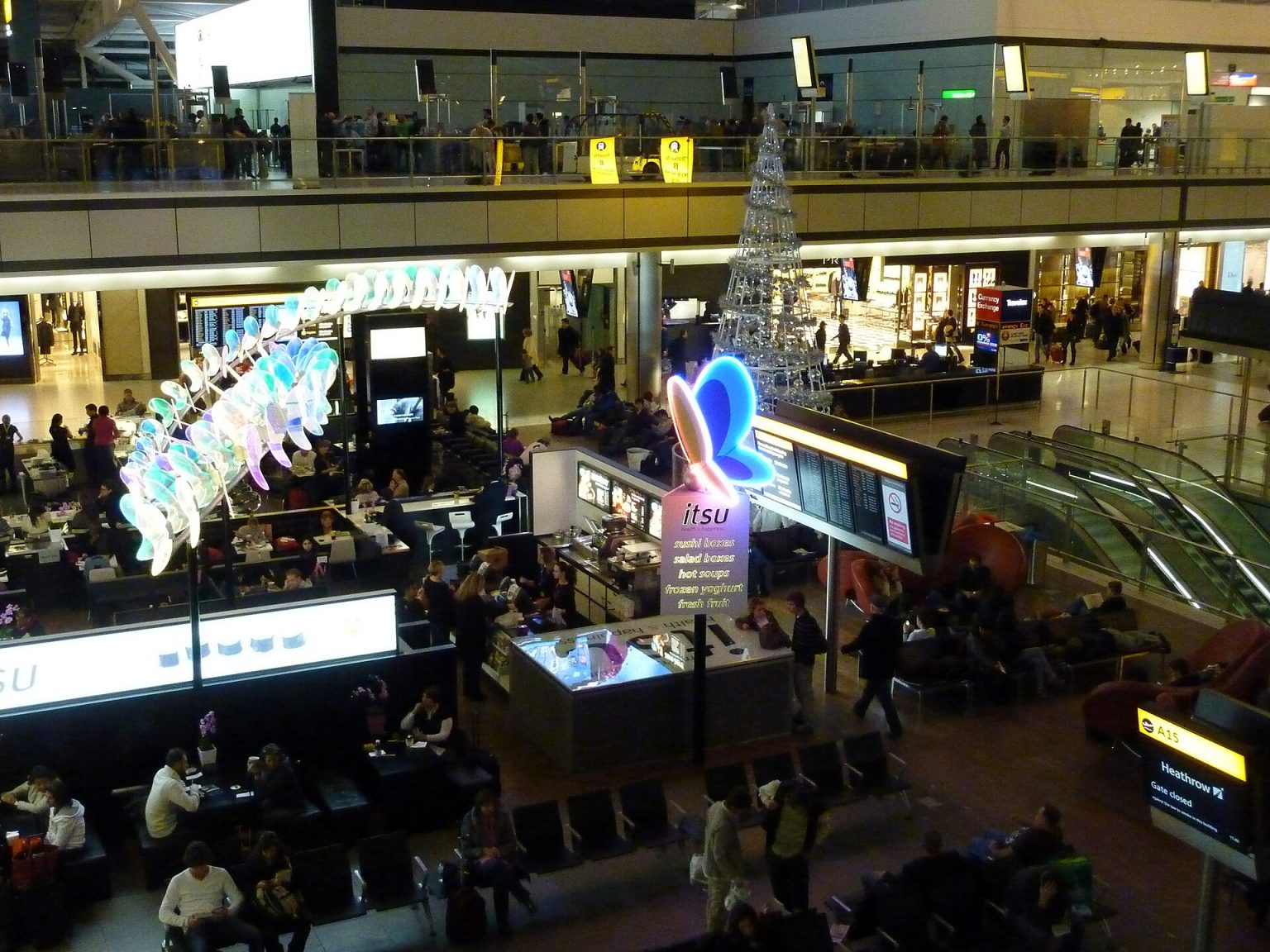
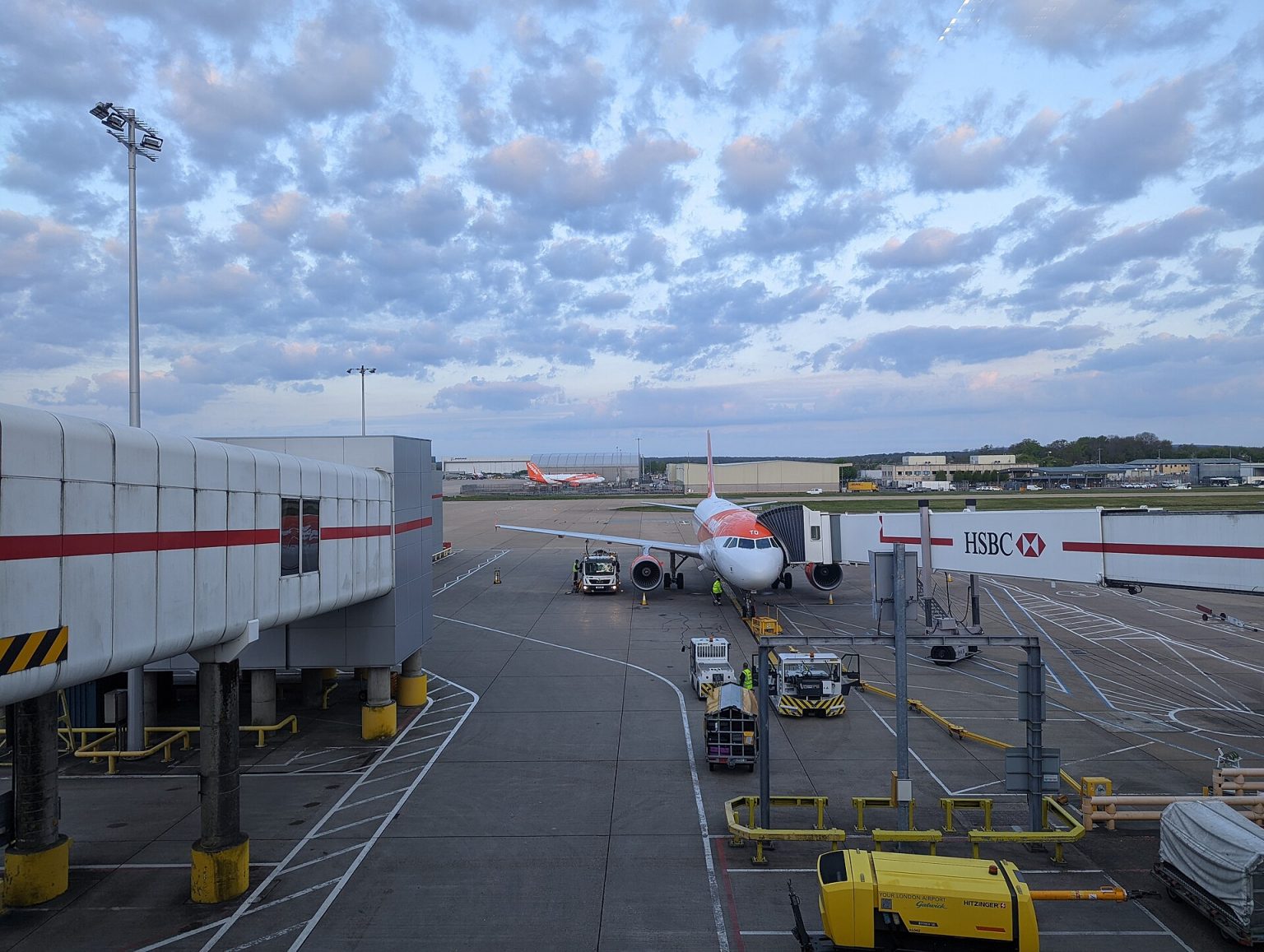
Landside units, such as those in check-in halls, arrivals areas and car-park facilities, are open to the public and usually follow procedures similar to a busy shopping centre. Airside units sit beyond security screening, where every person, vehicle, tool and piece of material is controlled.
Security vetting and passes
Airside access requires an airport identity pass or an approved escort. Passes involve background checks, referencing and security awareness training set by the airport and national aviation security rules. We plan resourcing so that the right, cleared people are available for your site.
Tool and material control
Tools, test equipment and materials taken airside are screened and controlled. We keep tool lists, avoid unnecessary items and make sure nothing is left behind that could create a security or foreign-object risk.
Permits and procedures
We work within the operator’s permit-to-work, isolation, hot works and fire alarm isolation procedures, and submit risk assessments and method statements in good time for approval.
Note: Pass requirements, lead times and escort rules differ between airports and can change. We confirm the current process with the airport operator and your centre management team before booking work.
Out-of-hours working
Compliance without closing the shutters
In an airport, every minute of trading counts. Shutting a kitchen or shop during the day to isolate circuits or run a three-hour emergency lighting discharge test is rarely acceptable to you or to the airport operator.
We plan intrusive work for quiet periods, typically overnight or in the early morning before the first wave of passengers. Non-intrusive tasks, such as visual inspections and some testing, can often be completed during trading with minimal impact. Where a full shutdown is unavoidable, we agree the window with you in advance and work to restore supplies as quickly as possible.
For operators with several outlets in the same terminal or across different airports, we can group visits into a single programme. This reduces the number of permit applications and escort bookings and gives you a consistent standard of reporting across your estate.
What we look after
Electrical and life-safety compliance for airport outlets
Commercial kitchens, restaurants, bars and retail units in airports share many of the same compliance needs as their high-street equivalents. The difference is that the airport operator, as landlord, will usually want to see evidence that those needs are being met.
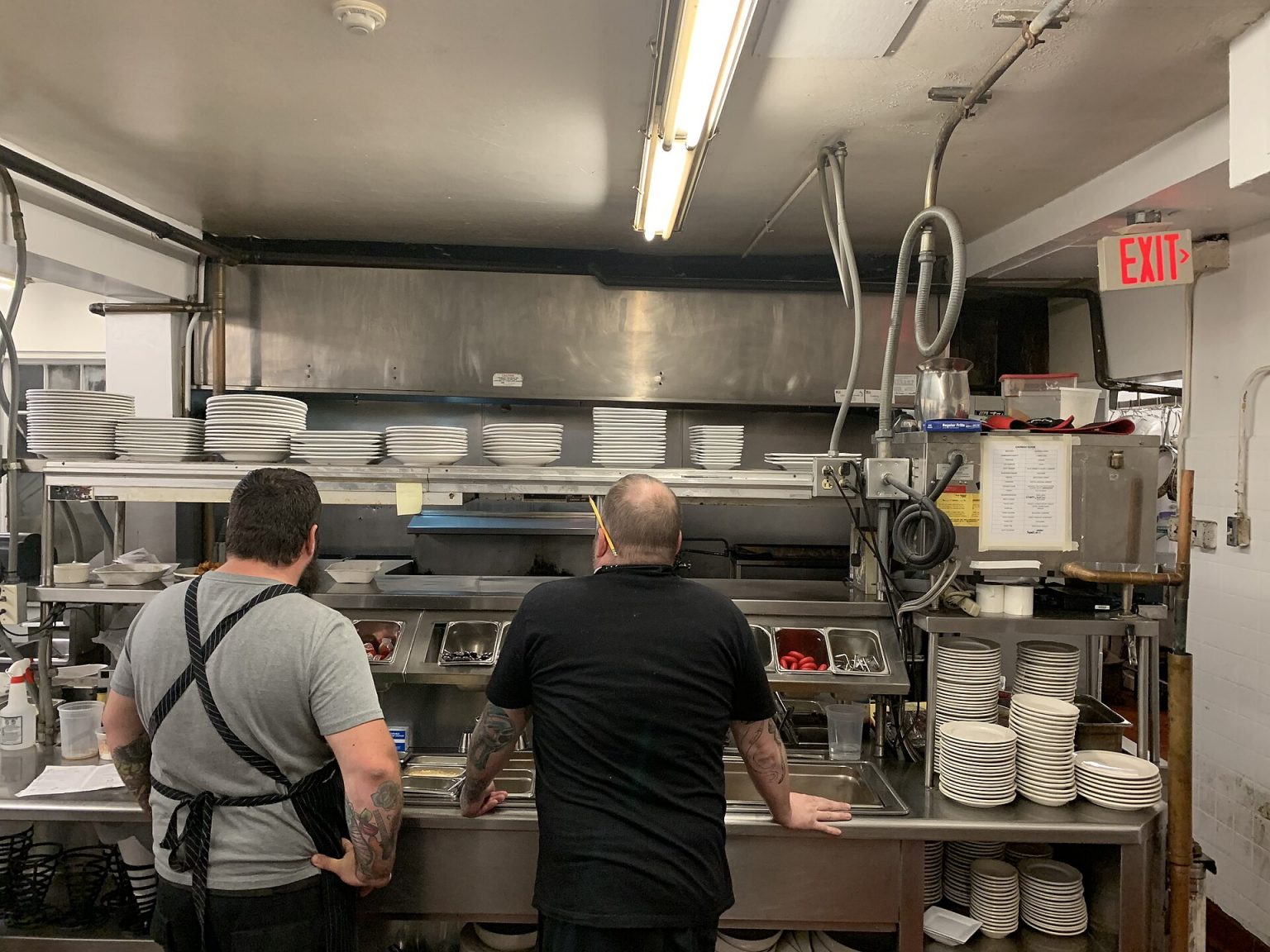
Commercial kitchens and extraction
Kitchens are demanding electrical environments, with high loads, heat, moisture and grease. We inspect and maintain kitchen distribution, equipment supplies and the electrical controls for extraction systems, including fan supplies, controls and interlocks between ventilation and gas appliances. We can work alongside your duct-cleaning and gas contractors so that each specialist’s records join up.
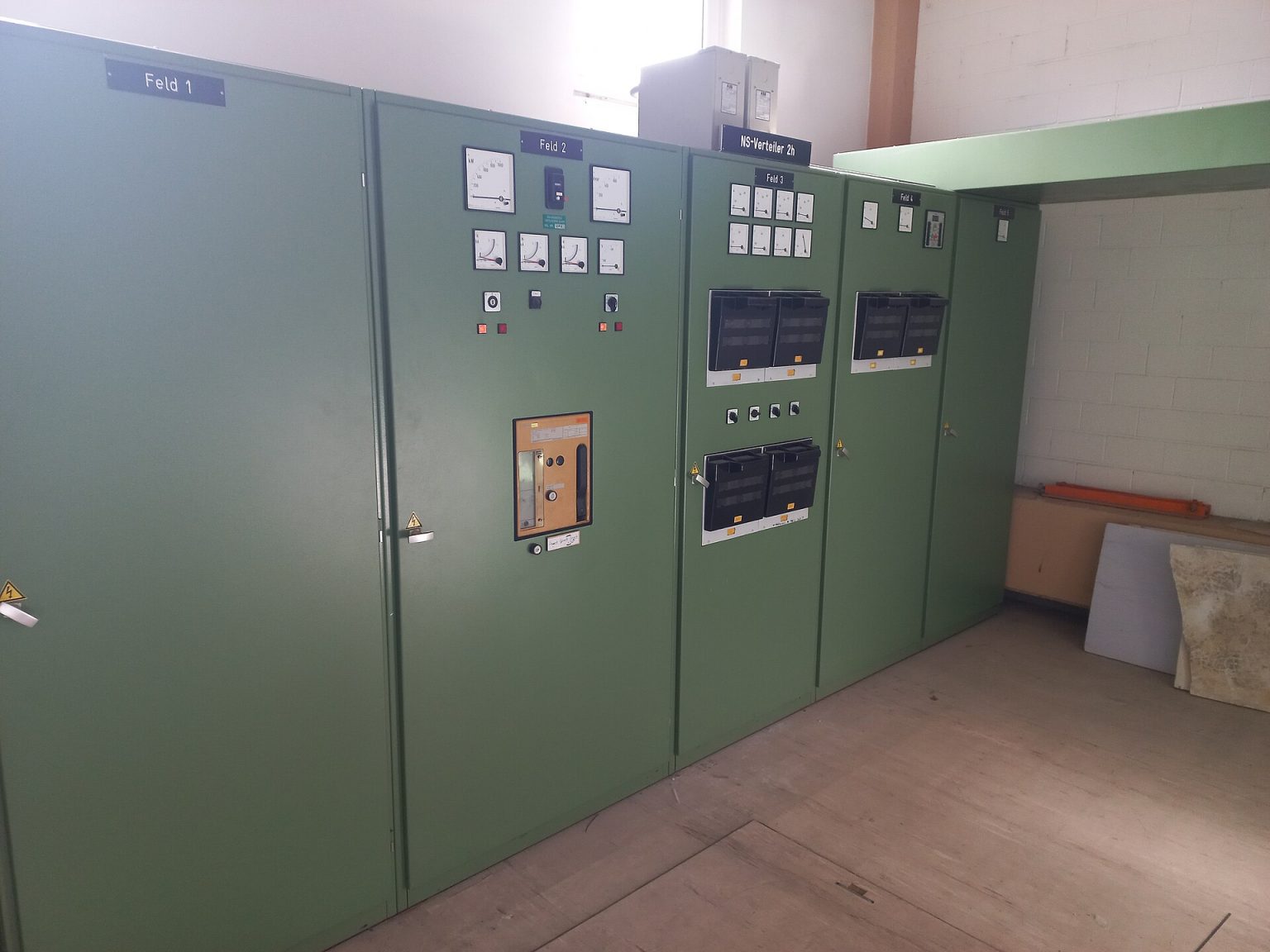
Fixed-wire testing (EICR)
Periodic inspection and testing of the fixed installation to BS 7671, with a clear Electrical Installation Condition Report, coded observations and a prioritised remedial schedule. We can then quote for and complete remedial works.
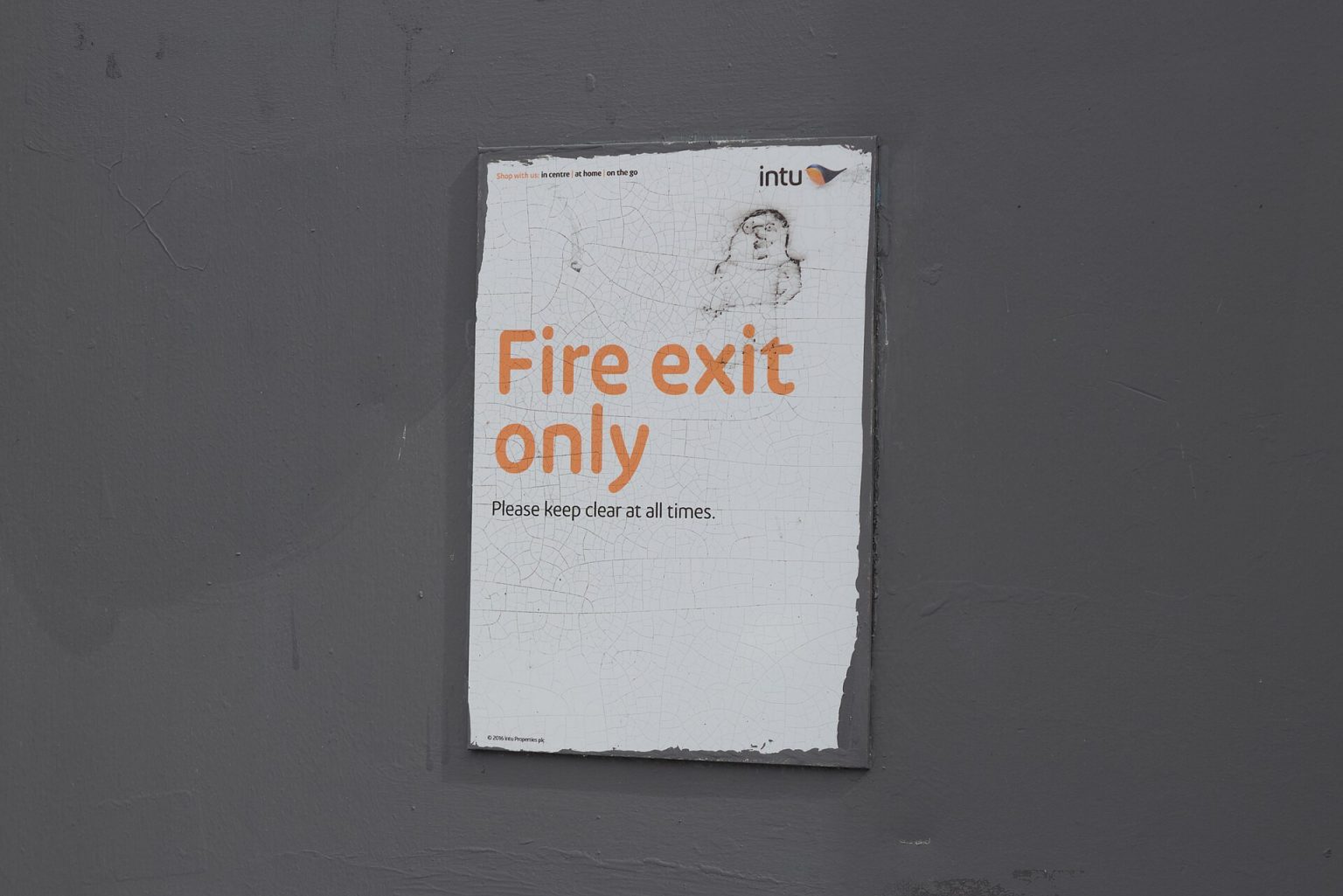
Emergency lighting
Monthly functional checks and annual full-duration tests in line with BS 5266, completed out of hours where needed, with logbook entries and certificates ready for inspection.
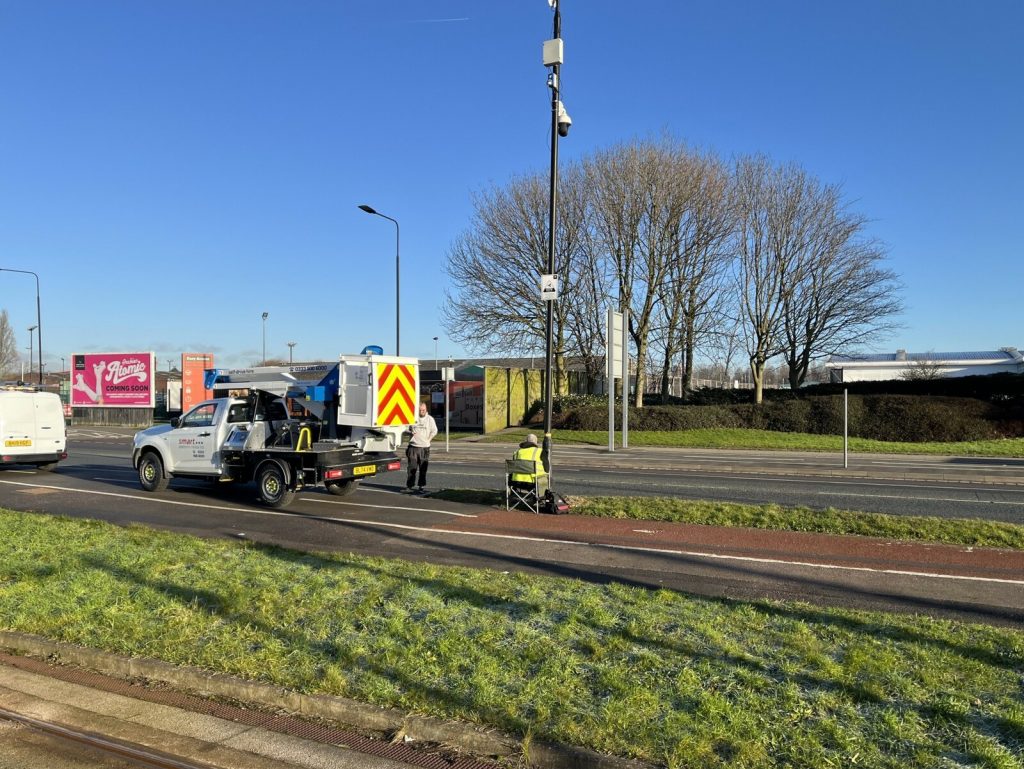
PAT and equipment
In-service inspection and testing of portable and plug-in equipment, from coffee machines to tills and display lighting, with an asset-tagged register you can keep up to date.
We also provide planned and reactive maintenance, lighting replacement, small works and fit-out support for new or refurbished units. See our electrical compliance and maintenance services for more detail.
Landlord requirements
Meeting the airport operator’s expectations
Concession leases and airport tenant handbooks typically place clear obligations on tenants to keep their installations safe, tested and documented. The operator also has its own duties for the wider building, including fire strategy and life-safety systems. That means your contractor has to satisfy two audiences: you, and the airport.
- Advance notification of works, with risk assessments and method statements submitted for approval.
- Permits to work for electrical isolations, hot works and work affecting fire detection or alarm systems.
- Co-ordination with the airport’s own maintenance teams where landlord and tenant systems meet.
- Competent, accredited contractors. We are NICEIC approved and hold CHAS and SafeContractor accreditation.
- Evidence of compliance, such as certificates and test records, on request or at agreed intervals.
- Good housekeeping, waste removal and leaving units clean and ready to trade.
Our aim is to make the operator’s approval process straightforward. We prepare clear paperwork, arrive at the agreed time and close out permits properly so that your next request is approved without delay.
Documentation
Records that stand up to audit
Concession operators often need to show compliance to several parties at once: the airport operator, insurers, head office health and safety teams and, in some cases, enforcing authorities. The Electricity at Work Regulations 1989 require systems to be maintained to prevent danger, and the Regulatory Reform (Fire Safety) Order 2005 places duties on the responsible person for emergency lighting and fire precautions. Good records are how you demonstrate that those duties are being met.
Survey and plan
We review your existing certificates and asset information, visit the unit and agree a programme that suits trading patterns and airport procedures.
Approvals
We prepare risk assessments and method statements, apply for permits and arrange passes or escorts.
Inspect, test and maintain
Our engineers carry out the agreed work, usually out of hours, and leave the unit clean and safe.
Report
You receive certificates, test results and a prioritised list of any defects, with clear explanations of what each observation means.
Remediate and keep current
We quote for and complete remedial works, update asset registers and schedule the next round of testing so that nothing lapses.
For a deeper look at the regulations and practicalities, read our guide to electrical compliance for airport concessions.
Multi-site operators
One partner across your airport estate
Many concession operators run outlets at several airports. Using one contractor across all of them gives you consistent standards, a single point of contact and reports in the same format, which makes it easier to compare sites, plan budgets and respond to landlord requests. Because our work already covers airports from Southampton to East Midlands, we understand how procedures vary between operators and can plan for those differences.
We can also support new openings and refits. When a unit changes hands or is refurbished, we can install or alter the electrical services, test and certify the work, and hand over the documentation the airport operator needs before the outlet opens to passengers.
To discuss your airport outlets, or to arrange a free, no-obligation initial discussion, contact our team or call 020 8859 7512.
FAQ
Frequently asked questions
Which airports does JKS London work at?
We maintain commercial kitchens, restaurants and retail outlets at major airports including Southampton, East Midlands, London Heathrow, London Gatwick, Stansted and Luton.
Can you work airside?
Yes. We work both airside and landside. Airside work is carried out by operatives who hold the passes the airport requires, or under the escort arrangements the airport operator specifies.
Will maintenance disrupt trading in my unit?
We plan intrusive work such as shutdowns and full-duration emergency lighting tests outside trading hours wherever possible, often overnight, and agree the timing with you and the airport operator in advance.
What documentation will I receive?
You receive the certificates and reports relevant to the work, such as EICRs, emergency lighting test records and PAT records, together with remedial recommendations, in a form you can share with the airport operator and your insurers.
Do you deal with airport permits and approvals?
We prepare the risk assessments and method statements needed for permit applications and work within the operator's permit-to-work, isolation and hot works procedures. The exact process varies from airport to airport.
Arrange a free, no-obligation site visit
Tell us about your building and compliance needs — our team will get back to you within one working day.